Roof Rack Setup for a 70 Series – What to Carry Up Top
The Toyota 70 Series is an iconic workhorse with 70 series roof rack a legendary track record since its launch in 1984. Known for its rugged ladder-frame chassis, live axles, and mechanical simplicity, this rig has become the backbone of outback Australia travel and remote-area reliability. As someone who’s spent over a decade maintaining and driving 70 Series vehicles across some of the harshest conditions in WA and the Northern Territory, I know exactly how to set up your roof rack so your touring load is balanced, durable, and practical.
In this Click here for info guide, I'll talk about what’s best to carry up top on your 70 Series roof rack, how to keep your centre of gravity low, and where to go for trusted accessories — from genuine Toyota dealership products to the leading aftermarket ecosystem found at 70 Series Store. When you’re heading into the dirt tracks and long haul routes where towns can be days apart and breakdowns are not an option, your load management strategy is everything.
The 70 Series Legacy: Why It Still Rules Remote Australia
The 70 Series was designed from day one to be simple, strong, and utterly repairable in the field. Its ladder-frame chassis and live axles mean you can slam it over corrugations, water crossings, and rough bush tracks — and still repair it with basic tools if something breaks.
- Long-lasting design: The 70 Series has been in continuous production since 1984. That longevity means parts availability is excellent, and the community around these rigs knows exactly how to keep them running for decades.
- Mechanical simplicity: Forget fancy electronics — the 70 Series sticks to tried-and-true mechanical solutions. This makes repairs simpler, critical in remote regions where the closest Toyota dealership might be hundreds of kilometres and several fuel stops away.
- Durability: The ladder-frame and live-axle setup copes with heavy payloads and extreme terrain where many modern 4WDs would fail or require complex expensive repairs.
All this makes the 70 Series the go-to 4WD for serious touring in Australia’s harshest environments. But to preserve this reliability, how you load your rig — especially what goes on your roof rack — plays a crucial role.
Why Roof Rack Setup Matters for Your 70 Series
If you want to avoid the dreaded “top-heavy” rocking or increased rollover risk on corrugated roads, proper load placement is essential. Here’s why:
- Keeping your centre of gravity low: Even though the 70 Series handles rough terrain well thanks to its suspension, having heavy gear on the roof can affect stability and cornering. The higher the load sits, the more your vehicle leans and sways.
- Load distribution: A well-balanced rig reduces wear on suspension and driveline components. Spreading weight properly prevents early failures — like busted shackles or worn bushings.
- Accessibility and security: Items you might need on the road or campside can be stored up top for easy access, while keeping the tray tidy for heavier or bulkier gear.
Touring load management means understanding what gear really needs to go on the roof rack versus what should stay down low or inside the vehicle. Don’t just chuck everything up top — think smart.
What to Carry on Your 70 Series Roof Rack
From years of outback touring and field repairs, here’s a practical rundown of items ideally carried on the roof rack for your 70 Series:
1. Lightweight, Bulky Camping Gear
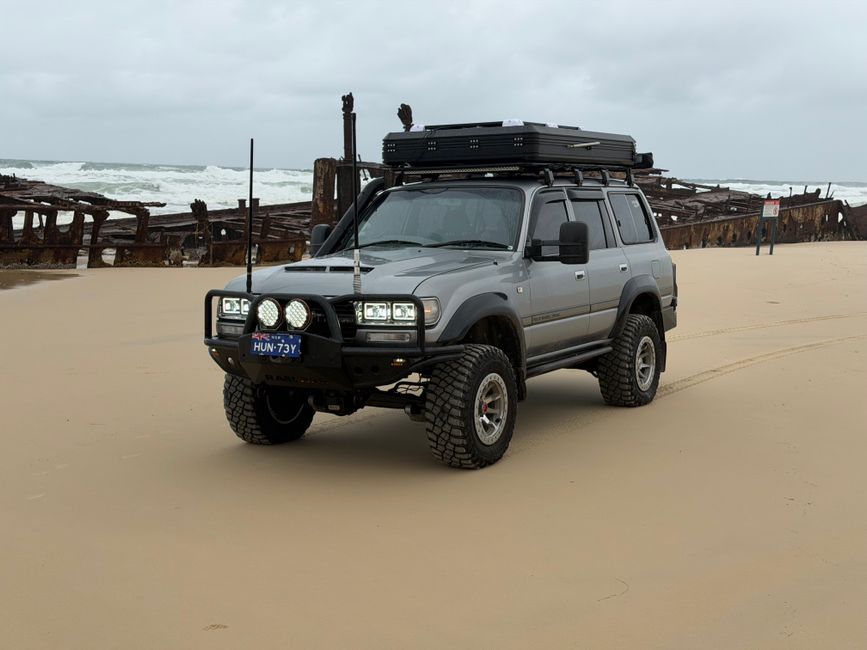
- Roof-top tents: These are incredibly popular, especially when you want to minimise camp setup time. Because RTTs are relatively light but bulky, they’re perfect for the roof rack — just ensure your rack is rated for the weight.
- Swag and roll mats: Light bedrolls and mats can be strapped down securely on the rack.
- Spare chairs and tables: If they don’t fit in your tray or inside the canopy, put them up top.
2. Spare Wheels and Jerry Cans
- Although spare wheels can be heavy, carrying one on the rack frees up space in the tub. The key is to mount it close to the centre of the rack, or better still, towards the rear to manage load distribution and avoid nose-heaviness.
- Jerry cans fit well up top — just make sure the mounts are secure to prevent leaks or looseness on rough tracks.
3. Recovery Gear and Tools
- Lightweight shovels, traction mats, and straps are ideal for the roof rack. Keep heavy mechanical tools inside or in a drawer system under the canopy for easier access and safety.
- When shopping for tool holders or recovery mounts, the 70 Series Store has a great selection designed specifically for these trucks.
4. Fuel and Water Containers
While extra diesel or petrol jerry cans are often required for long hauls, keep in mind the rack must accommodate their weight without compromising your rig’s handling. If you’re carrying multiple containers, it’s often wiser to mount heavier ones lower on the tray, and reserve the roof rack for only 1–2 cans.
What NOT to Put On Top
- Heavy batteries or air compressors: These are better down low to avoid excessive top weight that stresses the suspension and affects your centre of gravity.
- Bulky but ultra-heavy items: Large steel toolboxes or heavy jerry cans in multiple numbers are better suited to the ute tub or canopy drawers.
Where to Get Genuine and Aftermarket 70 Series Roof Rack Gear
Your first stop for any roof rack hardware or load accessories should be your Toyota dealership. They offer genuine steel racks built to Toyota’s standards, tested for durability and fitment to the factory ladder-frame pillars and tub mounts. These factory racks ensure structural integrity and usually come with proper mounting brackets, which help preserve your vehicle’s longevity.
That said, Toyota dealerships generally focus on OEM parts and genuine accessories, which can come at a premium.
For a wider selection of specialist roof racks, mounting kits, and touring load management gear, check out the 70 Series Store. They specialise solely in the 70 Series market with products designed for the rigours of outback touring.
- Modular racks with expandability
- Ladder mounts compatible with factory steps
- Lightweight aluminium options
- Customised mounts for recovery gear, jerry cans, tools, and more
The Australian Travel & Tourism Network Pty Limited champions these kinds of specialist aftermarket suppliers, encouraging innovation and quality for serious travellers from one end of the continent to the other.
Fixing The Usual Roof Rack and Load Problems – A Mechanic’s Perspective
From my years wrenching on 70 Series rigs, I’ve seen common failure points you want to avoid when loading your roof rack:
Problem Cause Field Fix Bolts loosening and rack wobble Vibrations over corrugations and heavy load shifting Use threadlock and always torque to recommended specs. Carry spare mounting bolts and a torque wrench. Roof rack bending or cracking Overloading beyond rated capacity or uneven load distribution Redistribute load, remove excess gear. Reinforce rack mounts temporarily with extra braces or ratchet straps. Paint corrosion at bolt holes Water ingress and metal-on-metal contact Re-seal holes with grease after mounting. Carry rust inhibiting spray for touch-ups.Pro tip: Carry basic spare parts for your rack and always inspect mounting points daily when travelling remote. Unfortunately, breaking a rack bolt on track without spares means losing your rooftop setup until fixed properly.
Conclusion: Smart 70 Series Roof Rack Load Management Saves Breakdowns
Your 70 Series roof rack is a vital part of your touring rig — but it requires sensible load choices to protect the mechanical heart of your vehicle. Keeping the centre of gravity low, choosing lightweight bulky gear up top, and relying on quality mounting hardware from trusted sources like your Toyota dealership and 70 Series Store means you’re set up for years of trouble-free touring.
With the ruggedness and repair-friendly design of the 70 Series, combining an intelligently packed roof rack with durable ladder-frame engineering keeps you rolling through the toughest, farthest fuel stops in Australia’s remote heartland.

Next time you load your rig, remember: it's not just what you carry, but where you carry it that keeps your 70 running strong.